參考讀物

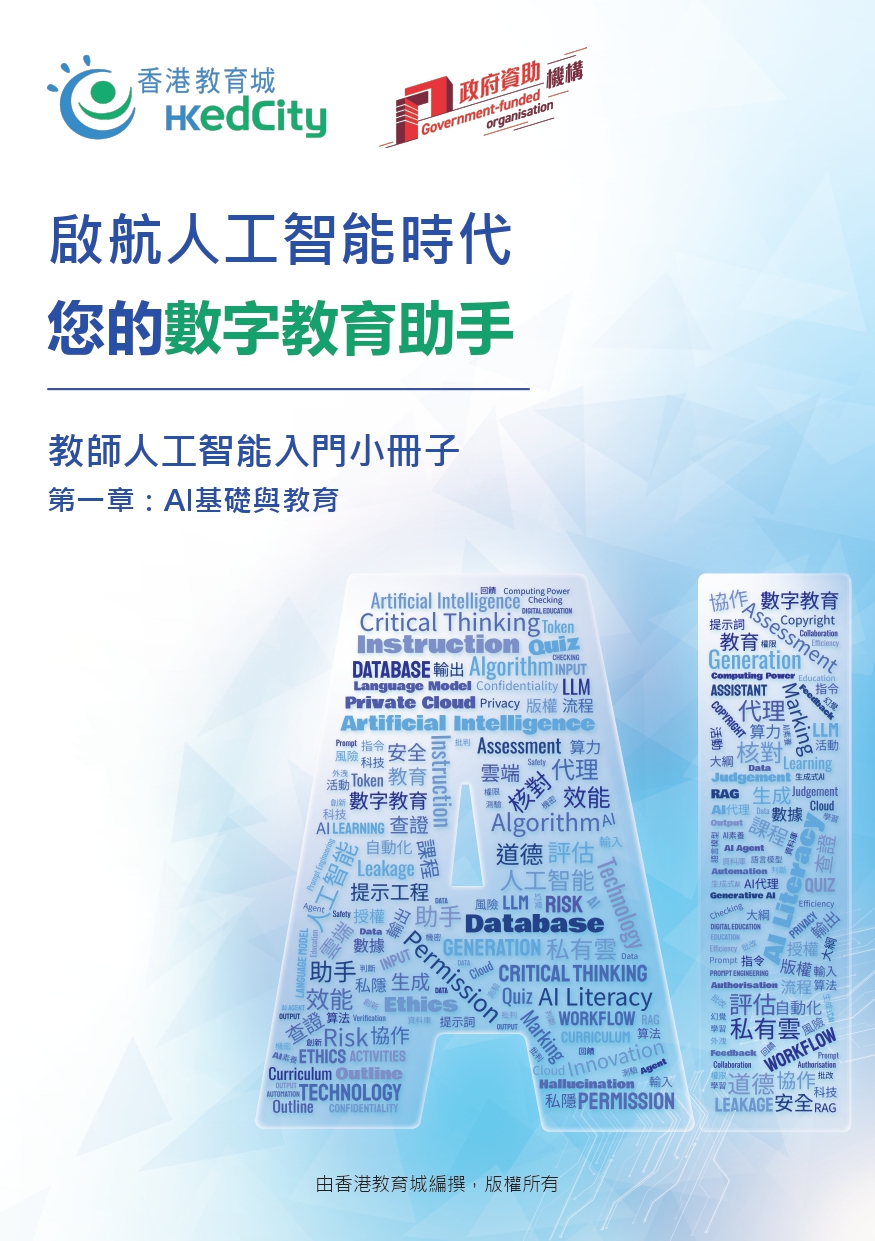
教師人工智能入門小冊子——第一章:AI基礎與教育

人工智能並非遙不可及。小冊子第一章以生活比喻及教學場景實例,深入淺出拆解AI核心概念、運作原理與應用技巧,助教師輕鬆掌握數字教育助手,安全且負責任地融入課堂。

教師人工智能入門小冊子——第二章:提示工程與教學應用

與人工智能溝通,關鍵在於清晰具體的指引。小冊子第二章聚焦提示詞設計,配合實際教學案例,逐步帶領教師掌握引導AI產出理想結果的技巧,提升教學效能。

教師人工智能入門小冊子——第三章:AI代理與風險管理

人工智能代理能自主執行複雜任務,惟功能越強,風險越高。小冊子第三章剖析人工智能代理與聊天機械人的分別、應用潛力與安全隱患,並提供循序漸進的使用建議,助教師在提升教學效能與保障資料安全之間取得平衡。

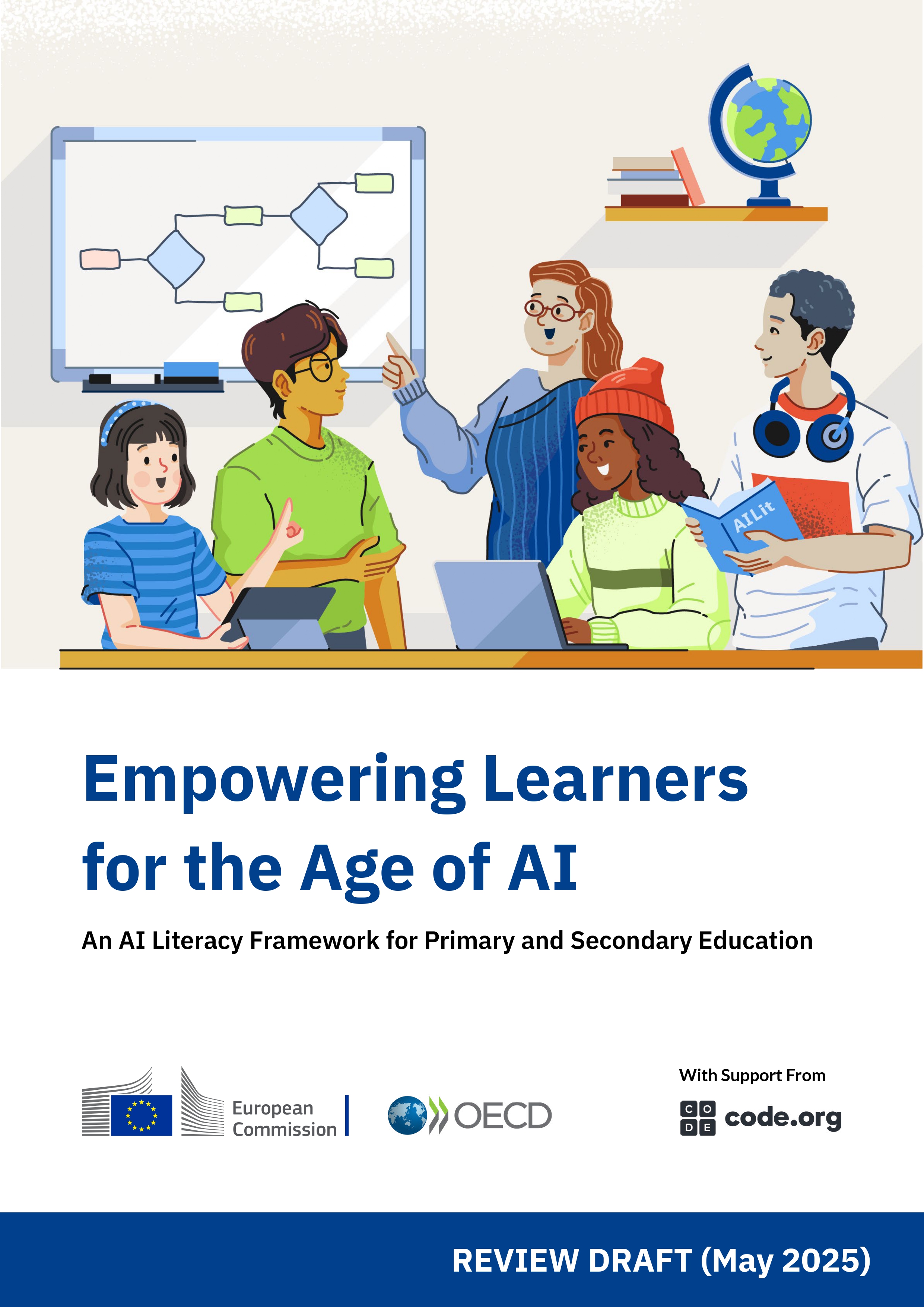
Empowering Learners for the Age of AI

This draft is intended to elicit feedback from educators and stakeholders. We hope it sparks a dialogue about what AI literacy means and how teaching and learning must evolve in an age of AI. We also look forward to engaging with stakeholders over the next several months and invite you to provide feedback at in-person and virtual events hosted by the European Commission, OECD, Code.org, and our network of International experts and organisations. Your input plays a crucial role in shaping the future of AI literacy

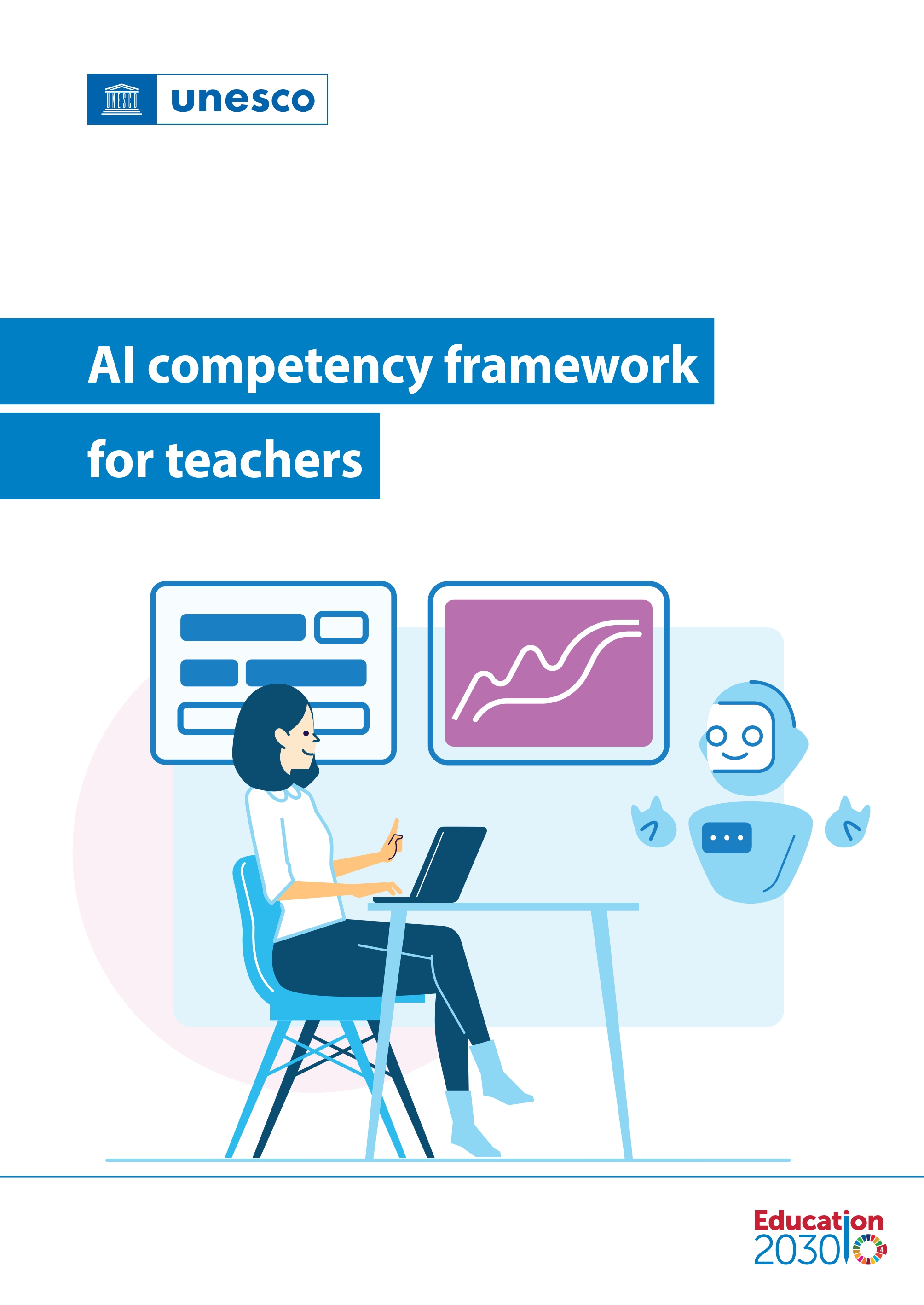
AI competency framework for teachers

As a global reference, this tool guides the development of national AI competency frameworks, informs teacher training programmes, and helps in designing assessment parameters. It also provides strategies for teachers to build AI knowledge, apply ethical principles, and support their professional growth.
教師數位素養

《教師數位素養》在數位化應用維度的要求包括數位化教學設計、數位化教學實施、數位化學業評價和數位化協同育人四個方面。數位化教學設計包括開展學習情況分析、獲取管理製作數位教育資源、設計數位化教學活動和創設混合學習環境。數位化教學實施包括利用數位技術資源支援教學活動的組織與管理,優化教學流程,並開展個別化指導。數位化學業評價包括選擇運用評價資料獲取工具、應用資料分析模型進行學業資料分析以及實現學業資料視覺化與解釋。數位化協同育人包括學生的數位素養培養,利用數位技術資源開展德育和心理健康教育,以及家校協同共育。

使用AI聊天機械人 「自保」十招

個人資料私隱專員公署推出《人工智能:個人資料保障模範框架》,積極為本港企業指引方向,協助企業利用科技帶來的便利之餘,進一步保障個人資料私隱。這實在有助提升企業的AI治理水平,確保AI獲妥善使用。

人工智能 (AI): 個人資料 保障模範框架

由於AI聊天機械人越來越普及,個人資料私隱專員公署為使用AI聊天機械人的用戶提供以下貼士,以保障他們的個人資料私隱,並幫助他們安全又負責任地使用聊天機械人。