31 March 2026
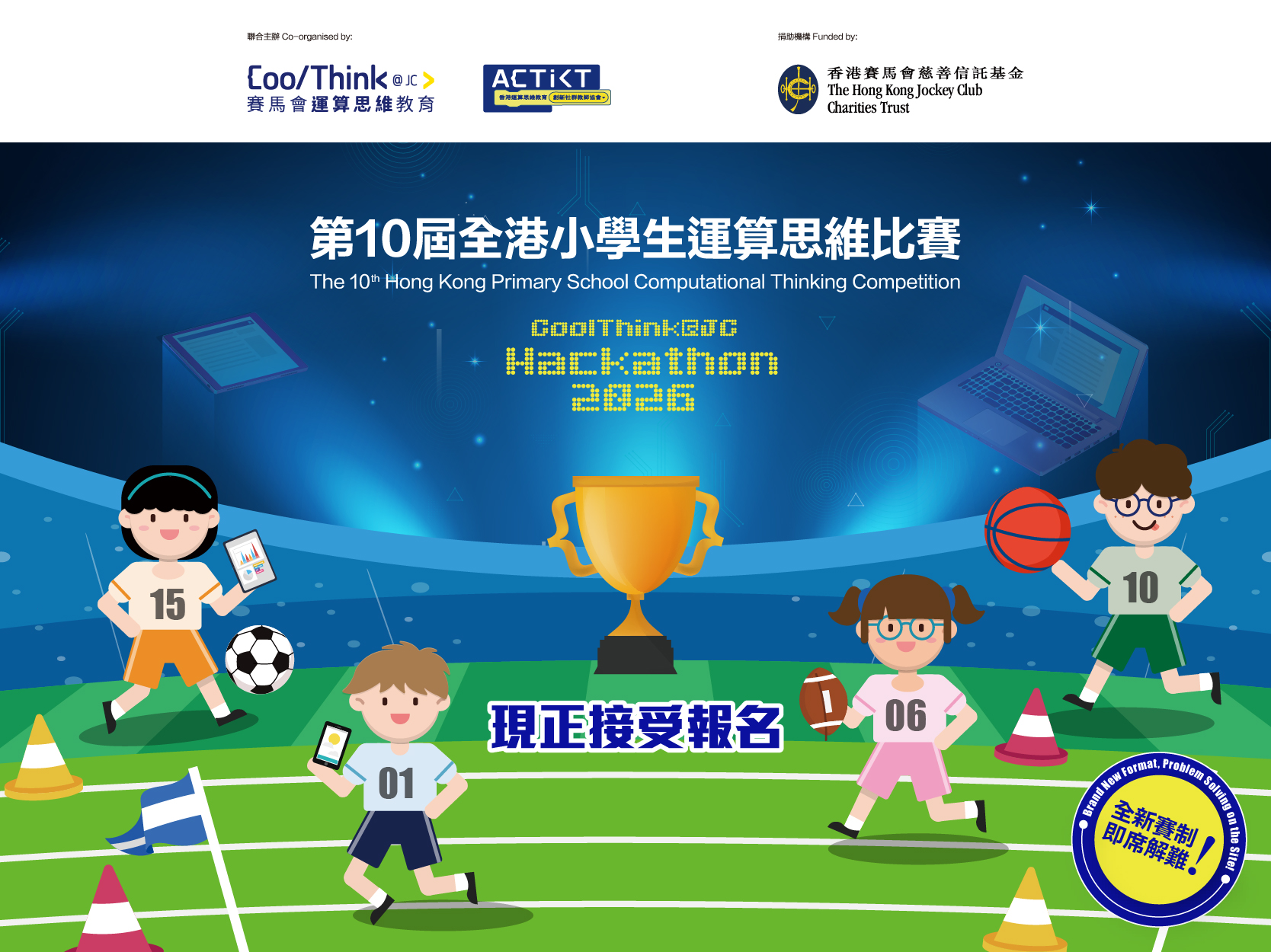
“The 10th Hong Kong Primary School Computational Thinking Competition” targets students in Primary 4 to 6 across Hong Kong. The aim is to promote computational thinking education by engaging students through programming and problem-solving, thereby enhancing their understanding and awareness of computational thinking. Through this initiative, students can utilise knowledge or tools to identify solutions to challenging problems, enhance their logical thinking and computer programming skills, boost creativity, and foster a spirit of collaboration.
31 March 2026
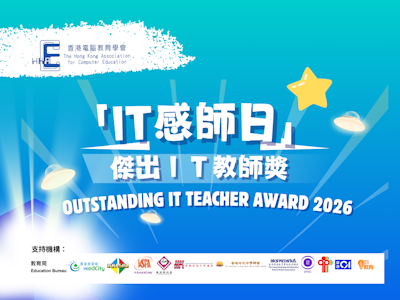
To honour outstanding local teachers for their contributions to information technology education and to promote a positive campus culture, The Hong Kong Association for Computer Education will host “IT Inspiring Teachers Day” and present the 9th Outstanding IT Teacher Award.
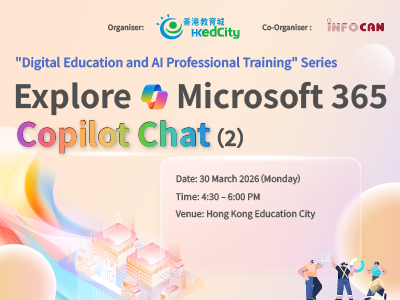
30 March 2026
This workshop is designed for primary school teachers and focuses on using Microsoft 365 Copilot Chat effectively in everyday teaching to enhance lesson preparation and classroom interaction. The session covers the essential digital skills teachers require, including simple yet practical activity design, as well as effective strategies for managing technology in day‑to‑day teaching scenarios. Through demonstrations and hands‑on practice, the workshop will guide teachers on how to use Copilot Chat to generate learning materials, adapt classroom activities, and support pupil learning, enabling technology to integrate naturally into the teaching process and improve overall teaching quality.
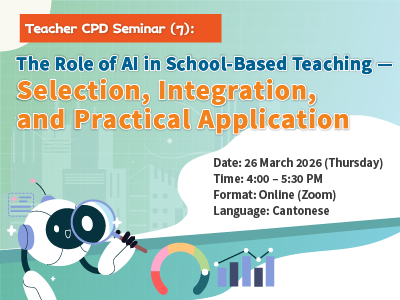
26 March 2026
This seminar focuses on the practical considerations schools face when implementing AI enhanced teaching. It explores how artificial intelligence can be integrated naturally into existing instructional frameworks without increasing teachers’ workload. The content will address common challenges such as technical barriers, curriculum integration and instructional management, and will outline how an AI platform with multilingual understanding and high accuracy content generation can support lesson activities, task design and independent learning. The seminar will also present practical strategies for applying AI in teaching, including aligning AI use with existing teaching materials and assessment arrangements, as well as employing AI to analyse student learning data. This enables teachers to better understand students’ ability distribution, common errors and learning needs, allowing for more precise instructional adjustments and enhancing overall teaching and learning effectiveness.
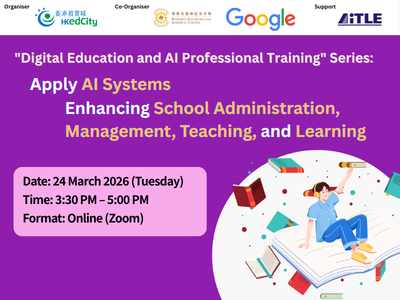
24 March 2026
In an education landscape that is evolving at an unprecedented pace, schools are required to optimise administrative processes while simultaneously enhancing the quality of teaching and learning. This seminar will examine the multifaceted roles and practical applications of artificial intelligence across four key domains: school operations, teaching and learning support, knowledge management, and policy planning. Through a progressive lens, the session will illustrate how schools can begin with the use of AI enabled tools in daily tasks and gradually advance towards strategic and managerial transformation, moving from traditional workflows to AI enhanced intelligent management models.